Small Island, Big Dreams
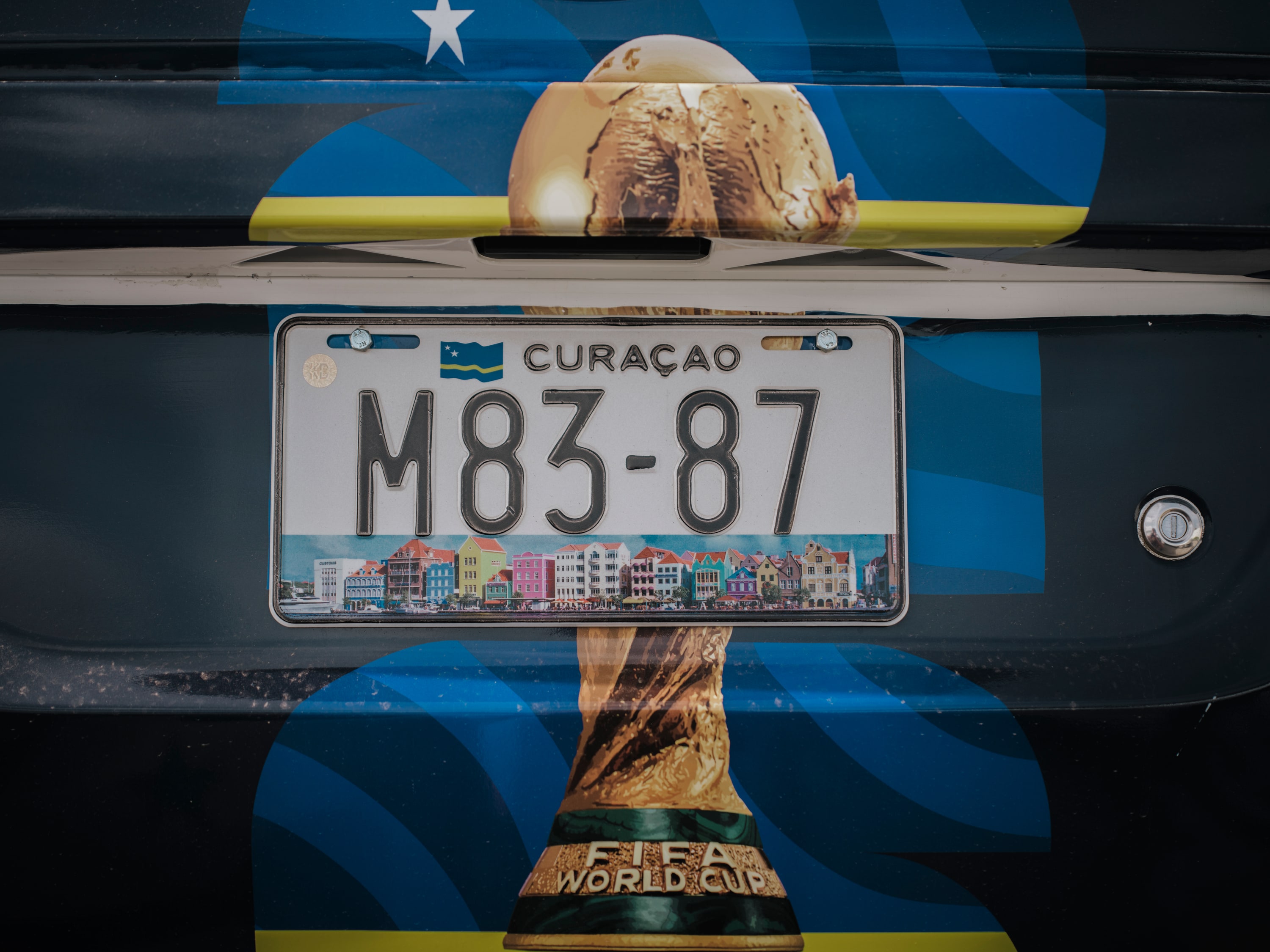
This summer, Curaçao will become the smallest country in history to take part in a World Cup. The island lies sixty kilometres off the coast of Venezuela, is smaller than Lake Constance and has a population of 156,000. But what does the island itself have to do with this success?
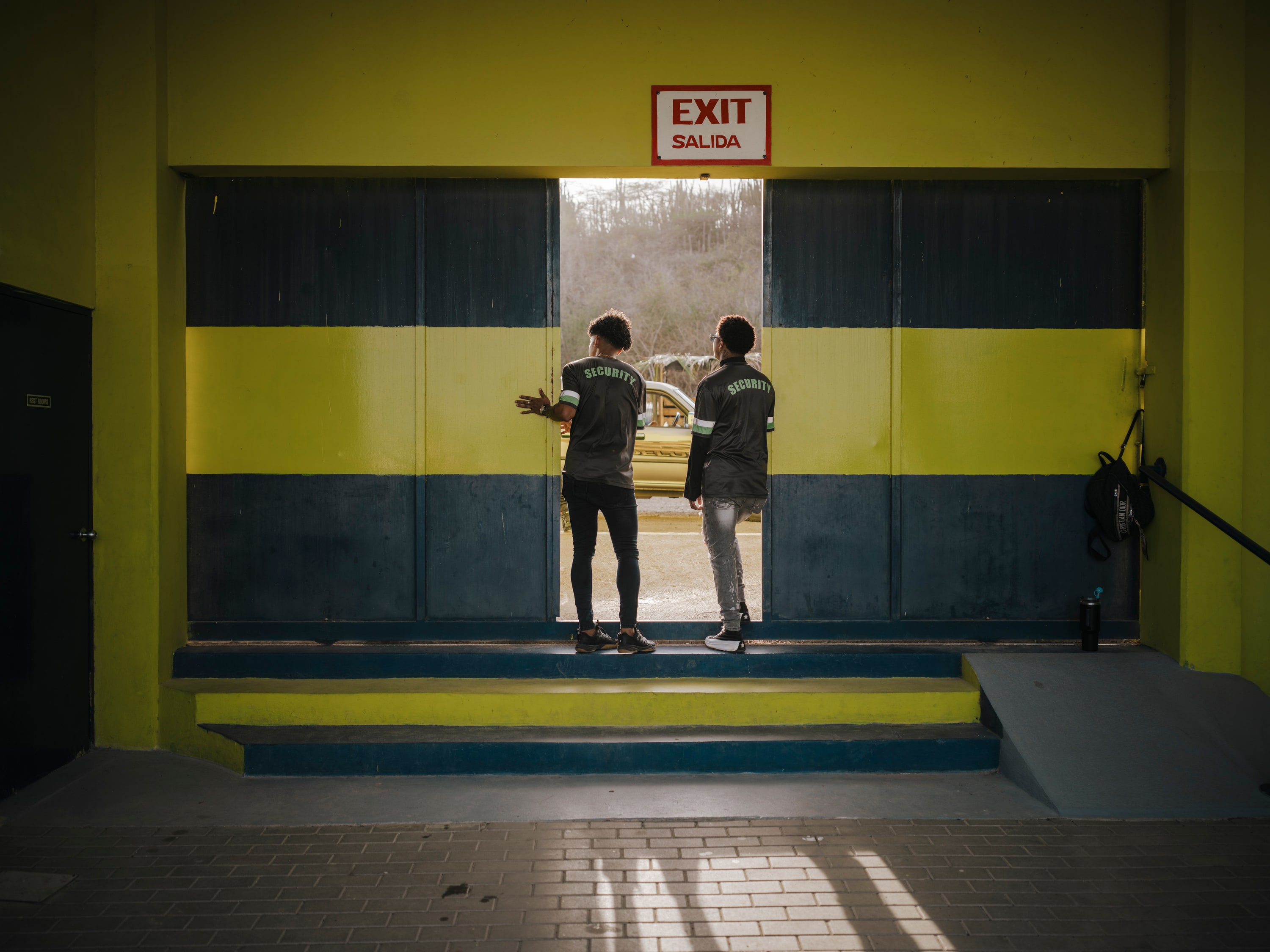
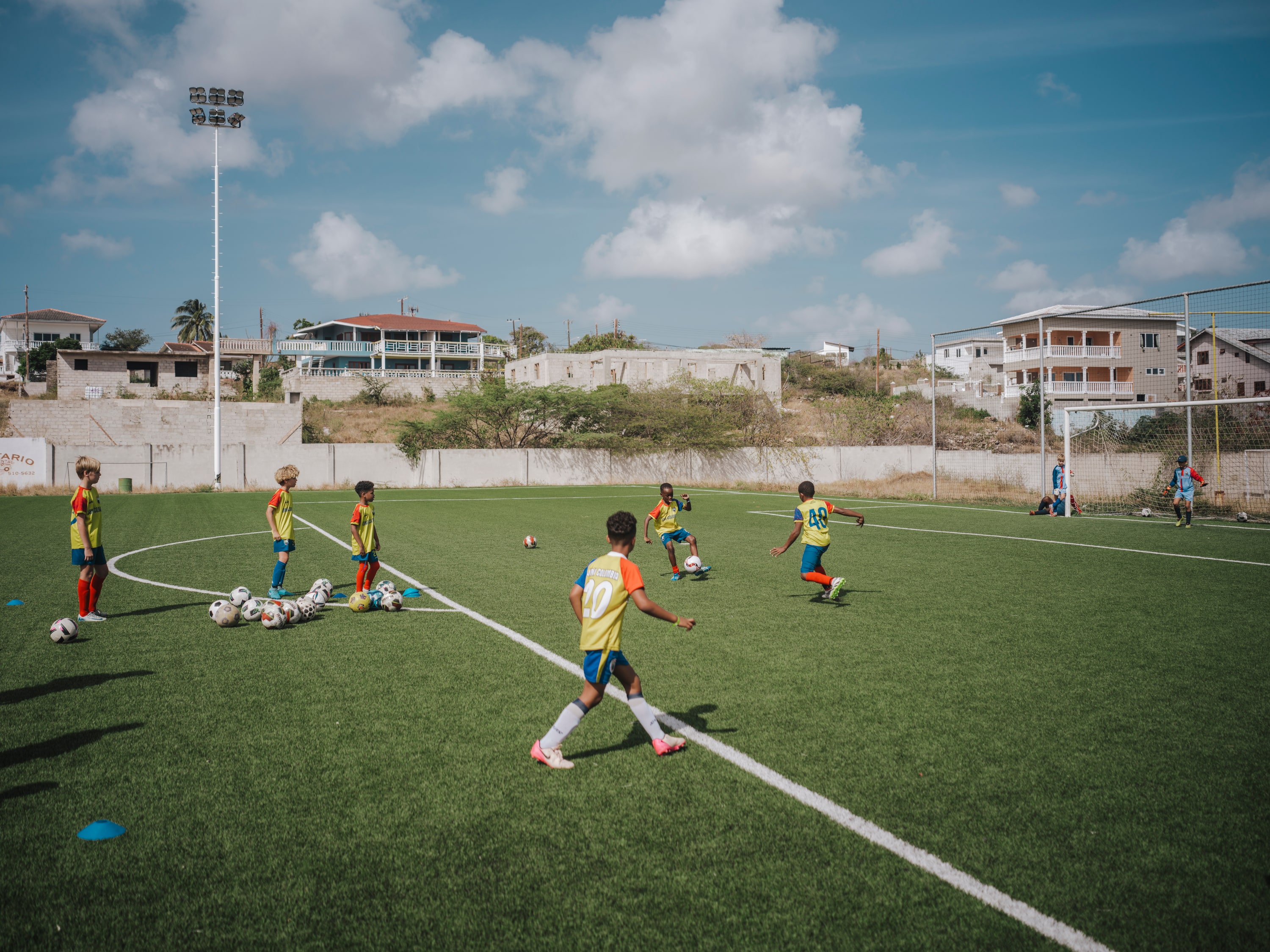
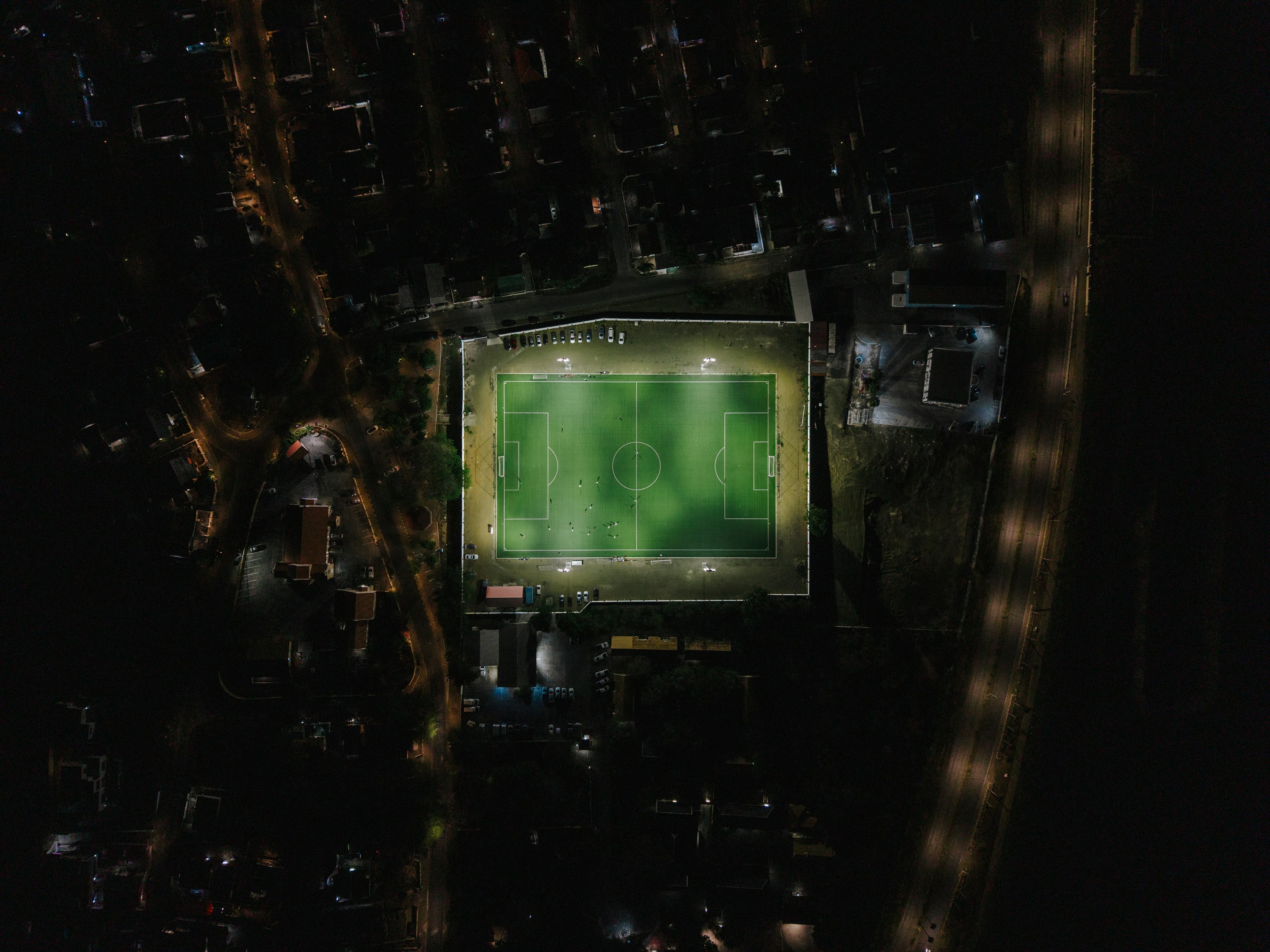
The Antoine Maduro Stadium in Willemstad is past its prime. Against the faded yellow-and-blue walls, the artificial turf glows an unnatural green. Caribbean music blares from a crackling loudspeaker at the edge of the pitch. Shortly before kick-off, there are more security guards than fans. The reigning champions, Jong Holland, are about to play Victory Boys here, a top-of-the-table clash in the Promé Divishon, Curaçao's top league. There are no professionals. Training and matches take place after work. Finding out when the games are played is detective work; there is no public fixture list.
This summer, Curaçao will become the smallest country in history to take part in a World Cup. The island lies sixty kilometres off the coast of Venezuela, is smaller than Lake Constance and has a population of 156,000. Curaçao is known for its liqueur, cruise ships and the pastel-coloured colonial houses in Willemstad. Anyone sitting in the Antoine Maduro this evening would struggle to spot the signs of a football miracle.
The success did not stem from matches like this one. It was made possible seven thousand kilometres away, in the Netherlands. That is where all of today's national team players live, where they grew up, where they learnt to play football. In academies, on pitches, in leagues that the players taking to the pitch tonight can only dream of. So what does the island have to do with this success?
The changing room at the Antoine Maduro is a concrete hut on the edge of the pitch. Inside, it is dim; there are no windows, just narrow ventilation slits. It smells of sweat. One by one, the players come in, throw their rucksacks onto the benches and get changed. Voices fill the room. The players speak Papiamentu, a mixture of Portuguese, Spanish, Dutch and West African languages. The loudest voice belongs to Bryan Anastatia, the captain of Jong Holland. He sits in a corner, talking almost non-stop, while the others laugh and shout things back at him. Then he laces up his boots, stands up and steps out into the evening sun.
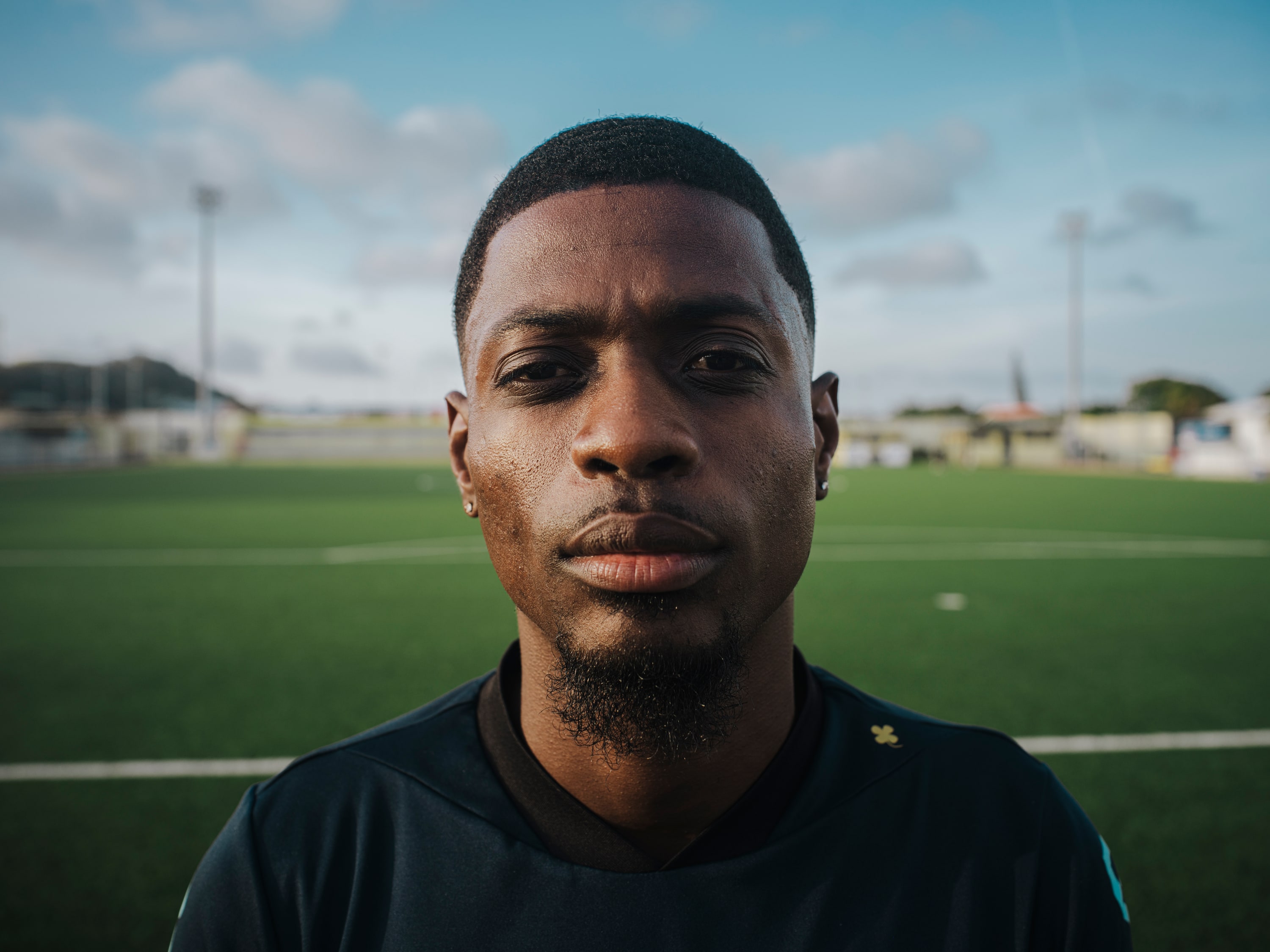
Anastatia runs across the artificial turf, black rubber granules bouncing with every step. Anyone playing here today has virtually no chance of making the national team, no matter how young or talented. Anastatia himself was called up a few times in the past. But times have changed. FIFA allows players to represent the country of their parents or grandparents. So for the national team jersey, heritage is enough. For professional football, you need the Netherlands. Dick Advocaat, the Dutch coach who led Curaçao to the World Cup, consistently relied on this rule.
Anastatia could have taken that route too. To the Netherlands, in the hope of being spotted by a club. "If you want to turn professional, you have to leave here early," he says, leaning against a goalpost. For him, it was already too late at sixteen. He went to Cuba, studied sports science and became a PE teacher at a primary school in Curaçao. He has now been playing for Jong Holland for almost twenty years. "I tried to secure my future, to get a degree." He crosses his arms. "Yes, I do regret it sometimes. I think I could have made it. But you can never know for sure." In the background, the players are warming up; the last few fans are entering the stadium. There won't be more than a hundred of them.
He turns around and heads back to the dressing room. The World Cup qualification is bittersweet for him. "Playing in a World Cup is the greatest thing that can happen to you in football. But we can't be quite so proud of this team. Many great players from here never had the chance to be part of this success." He walks past the team doctor, who is treating a player's leg, and sits down on the bench. "Still, we're in it. And I hope they get a few good results." The World Cup brings in money, he says. "But if we don't put it into our own structures, from the youth leagues upwards, then nothing will change."
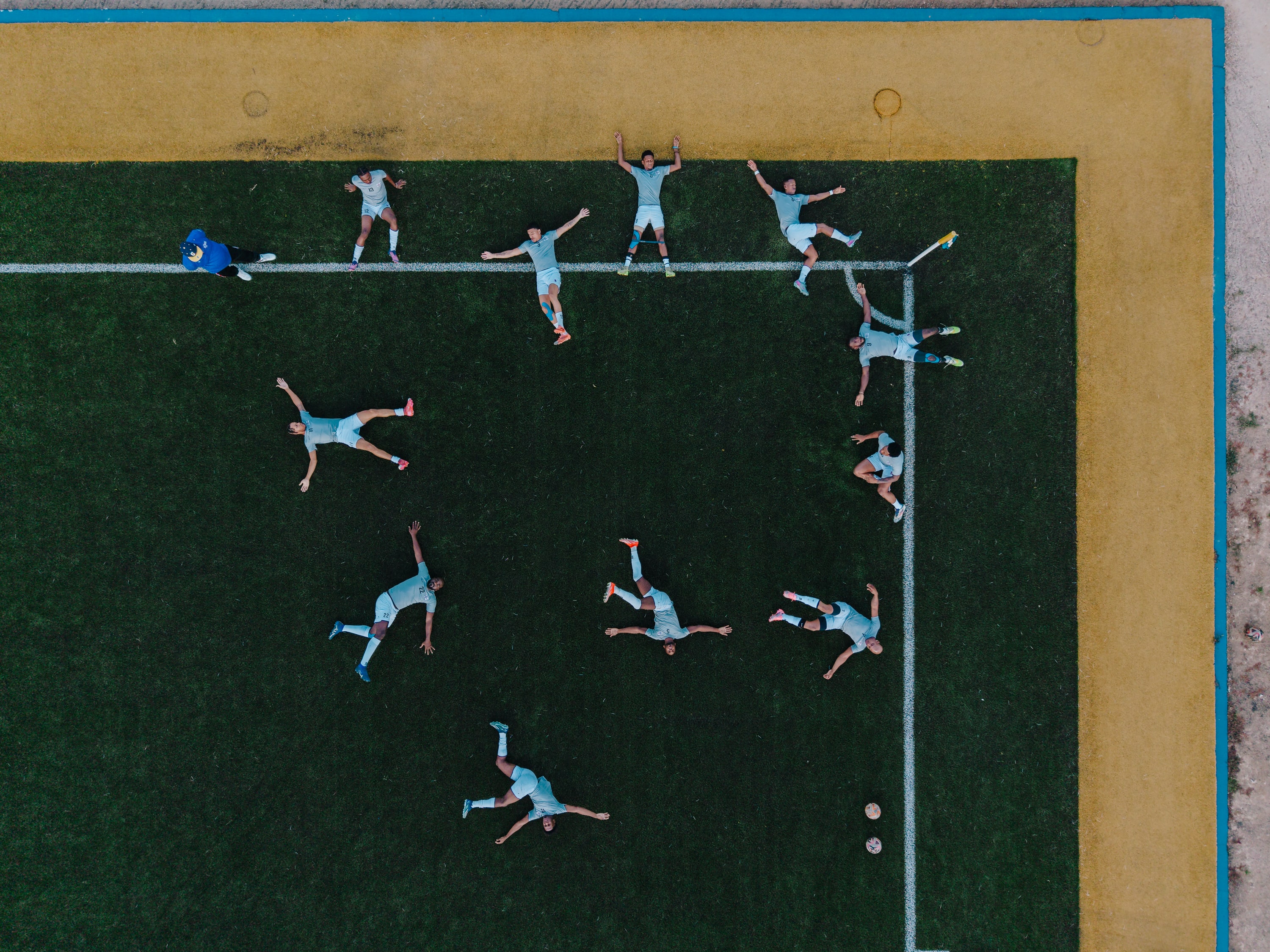
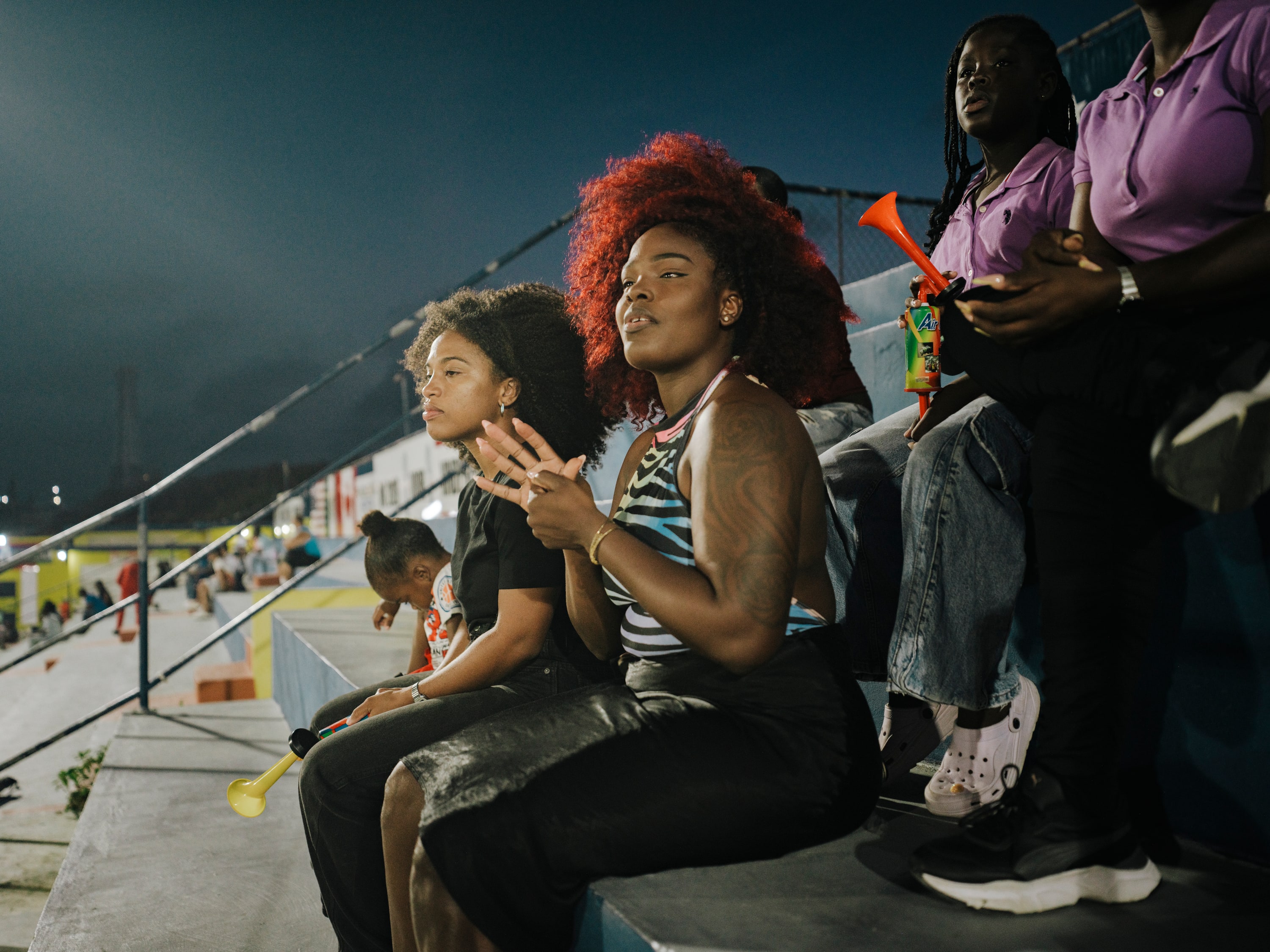
It's dark now; the floodlights are the only source of light at the Antoine Maduro. The crowd is scattered across the concrete stands; two women have brought air horns. When one of them presses the button, the noise startles her. The children get a few coins and disappear towards the food stall. Above the stands, radio reporters set up their microphones. No one is cheering seriously. Occasionally, someone shouts something towards the pitch just for fun. In the dressing room, the Jong Holland coach explains the tactics using colourful magnets. Then the players put their arms around each other's shoulders and say a prayer together. After the warm-up, the national anthem plays, hands on hearts. Anastatia stays on the substitutes' bench; he is saving himself for the crucial final round. Jong Holland win 2–1.
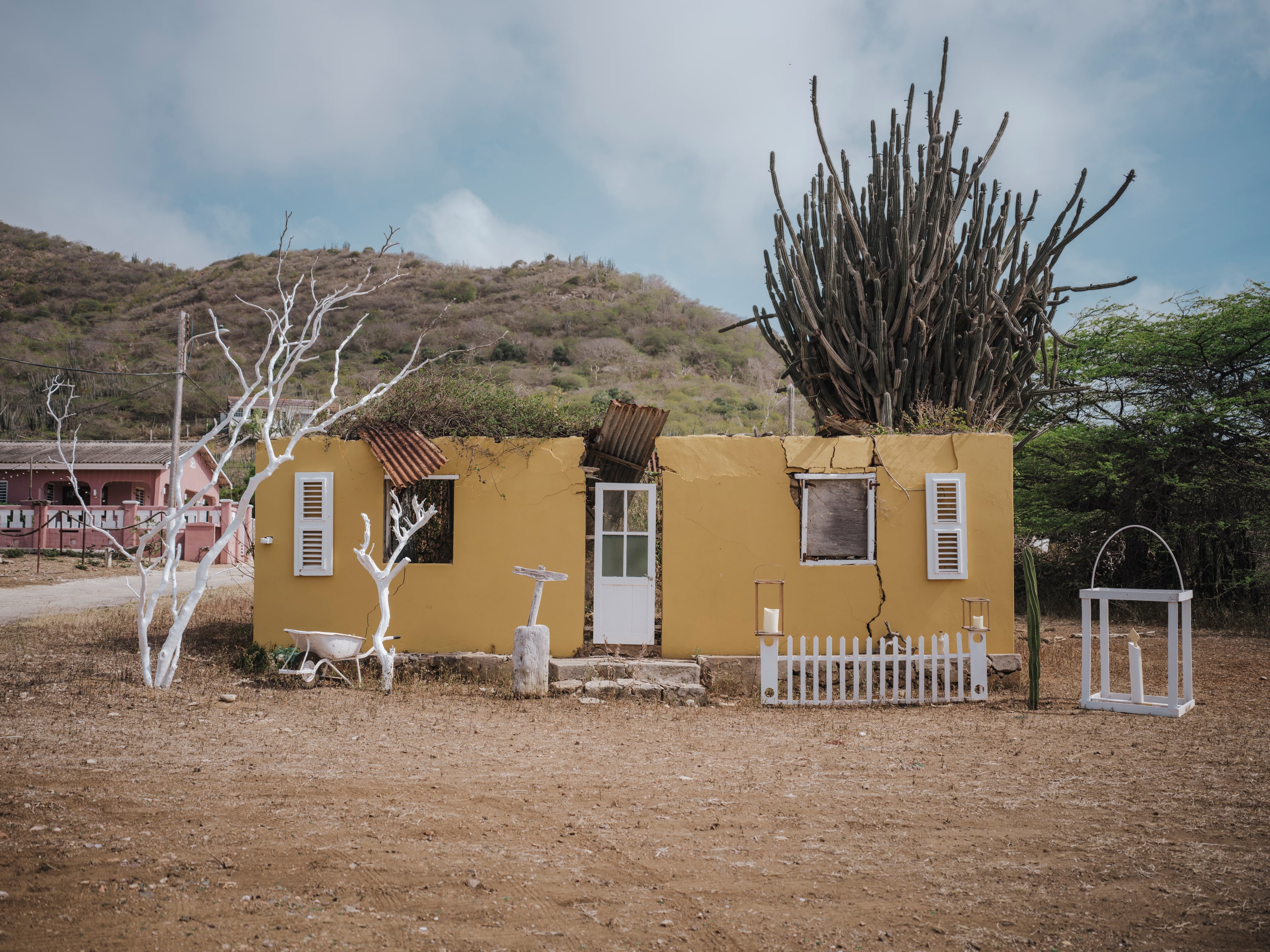
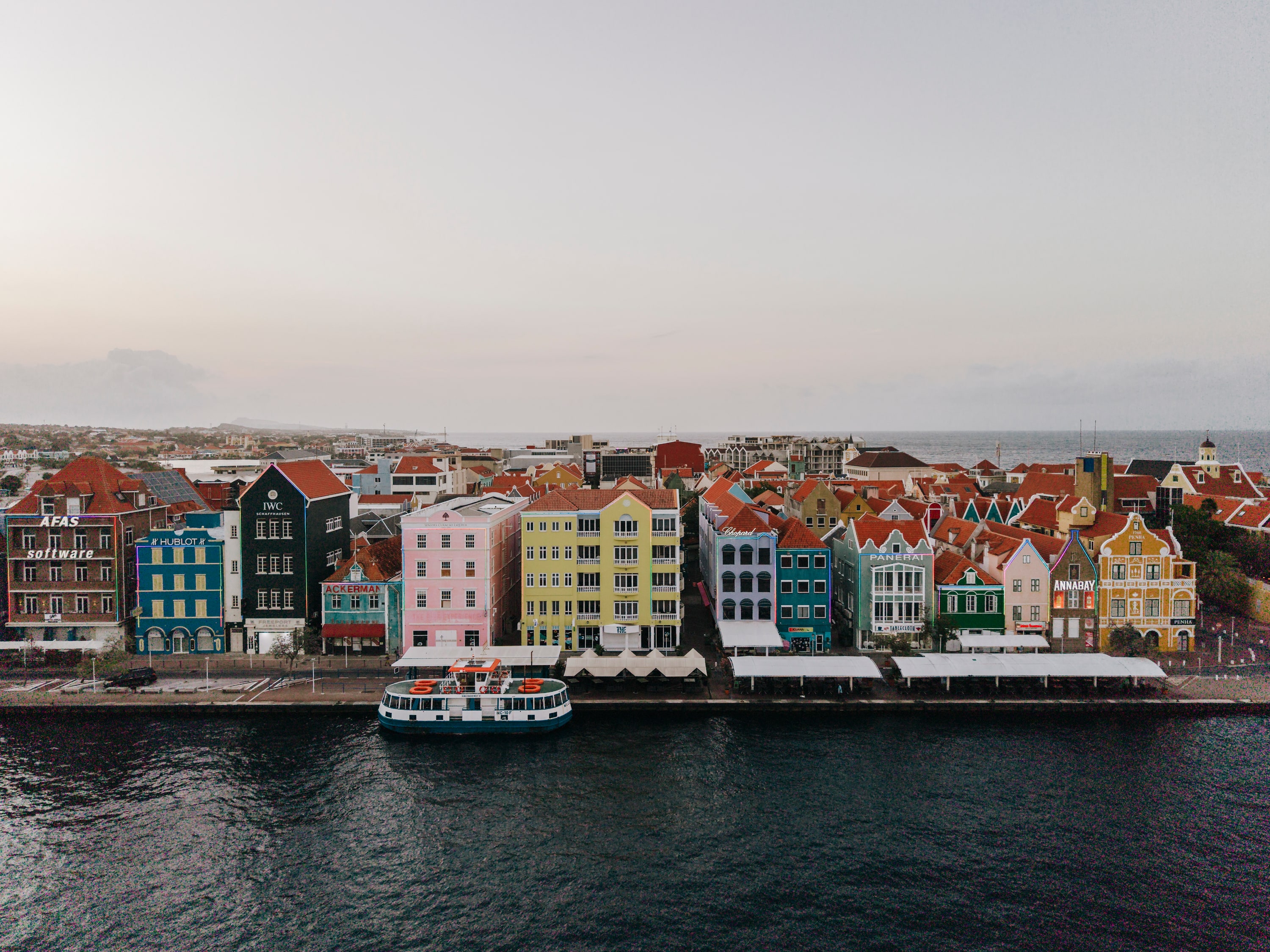
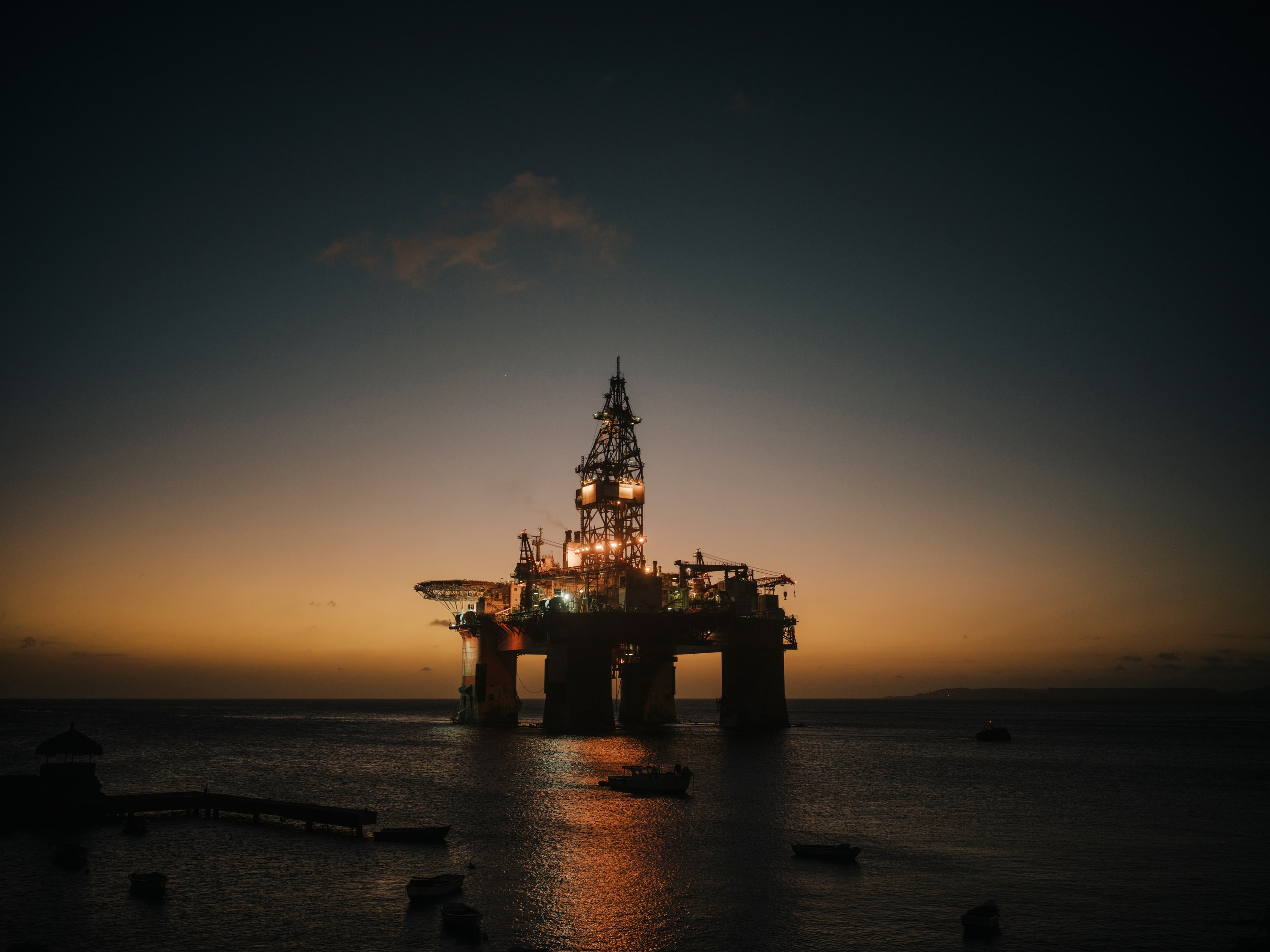
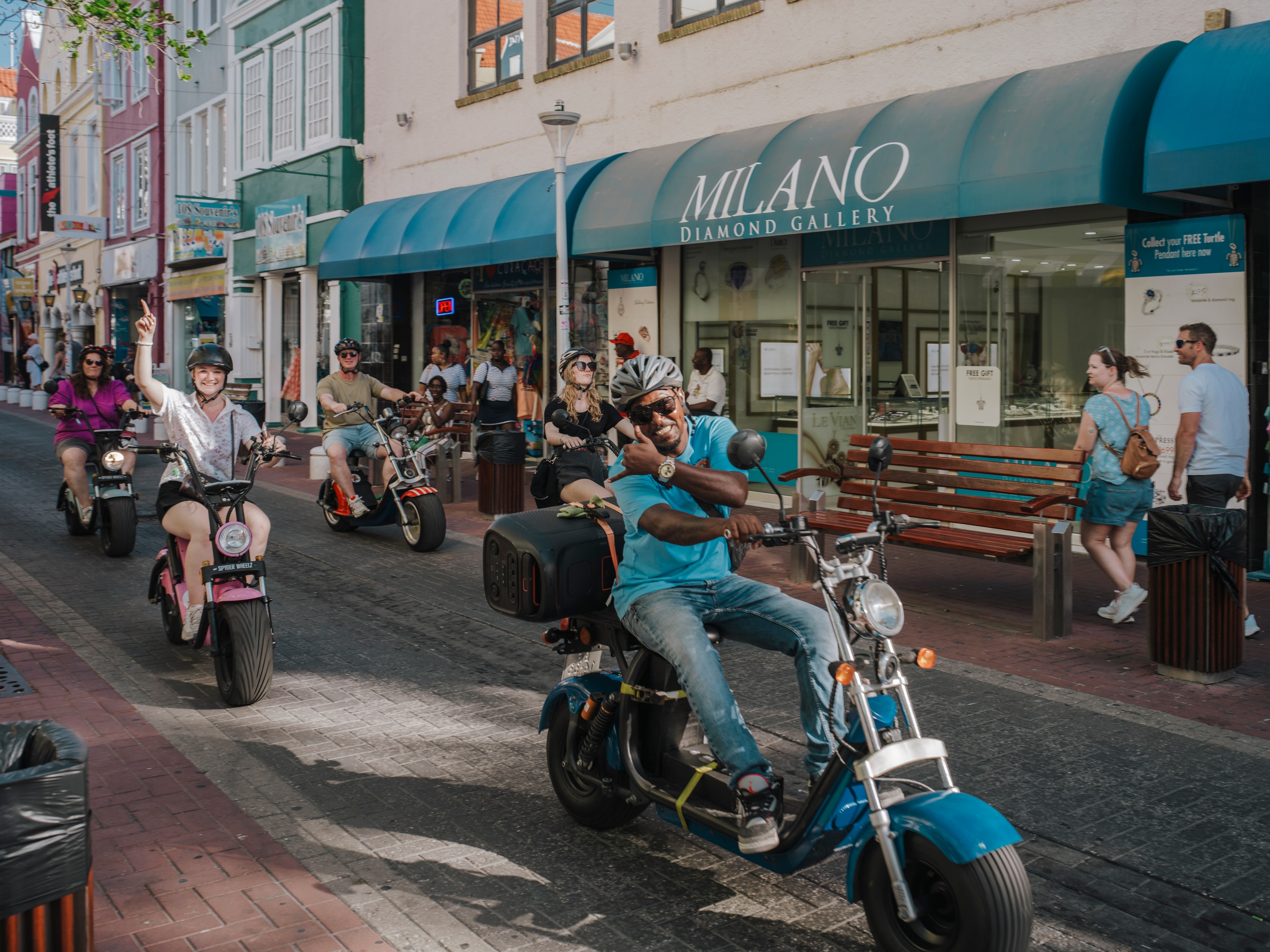
Curaçao is not the Caribbean of the postcards. The island is arid; there is hardly any rain, hardly any shade, and cacti dot the barren landscape. On good days, four cruise ships crowd the pier in the harbour of Willemstad at the same time, their passengers streaming through the old town. The Juliana Bridge spans the harbour entrance, offering a clear view of the huge, disused oil refinery. Curaçao has been an autonomous country within the Kingdom of the Netherlands since 2010. Anyone born on the island automatically holds a Dutch passport. Almost half of all Curaçaoans worldwide live in the Netherlands. Not everyone can afford to. Thirty per cent of the population live below the poverty line, while prices are on a par with those in Europe.
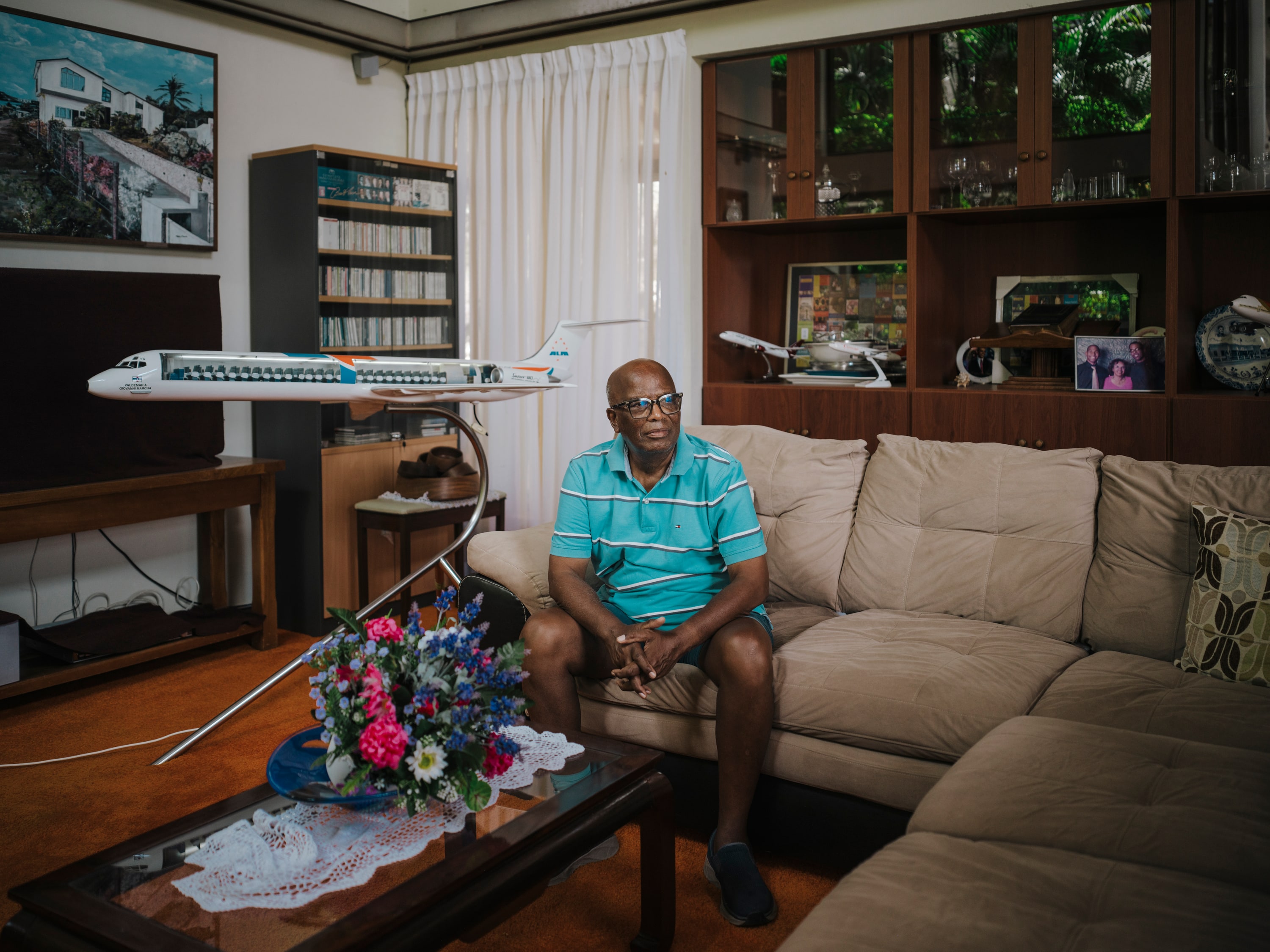
"We were their colony," says Valdemar Marcha. "And informally, we still are." Marcha has spent his life researching the history of his island. He stands in the study of his house in Jan Thiel, about ten kilometres from Willemstad. This used to be a plantation with slaves; today it is arguably the wealthiest neighbourhood on the island, with villas behind high fences and all-inclusive resorts. Marcha is wearing a turquoise polo shirt and thick-rimmed glasses. He is a cultural anthropologist, former airline president, author and football fan. Behind him stands a large bookshelf. "I wrote all of those," he says, pointing. He pulls out a book. On the cover, a man smiles, balancing a football on his index finger. "Ergilio Hato," says Marcha. "The Black Panther." Goalkeeper, national hero, the greatest footballer Curaçao has ever produced. In the 1950s, Hato was the first player from the colony to play for the Dutch national team. "Ajax, Feyenoord, Real Madrid, they all made Hato offers," says Marcha. Hato turned them down. He never wanted to leave the island.
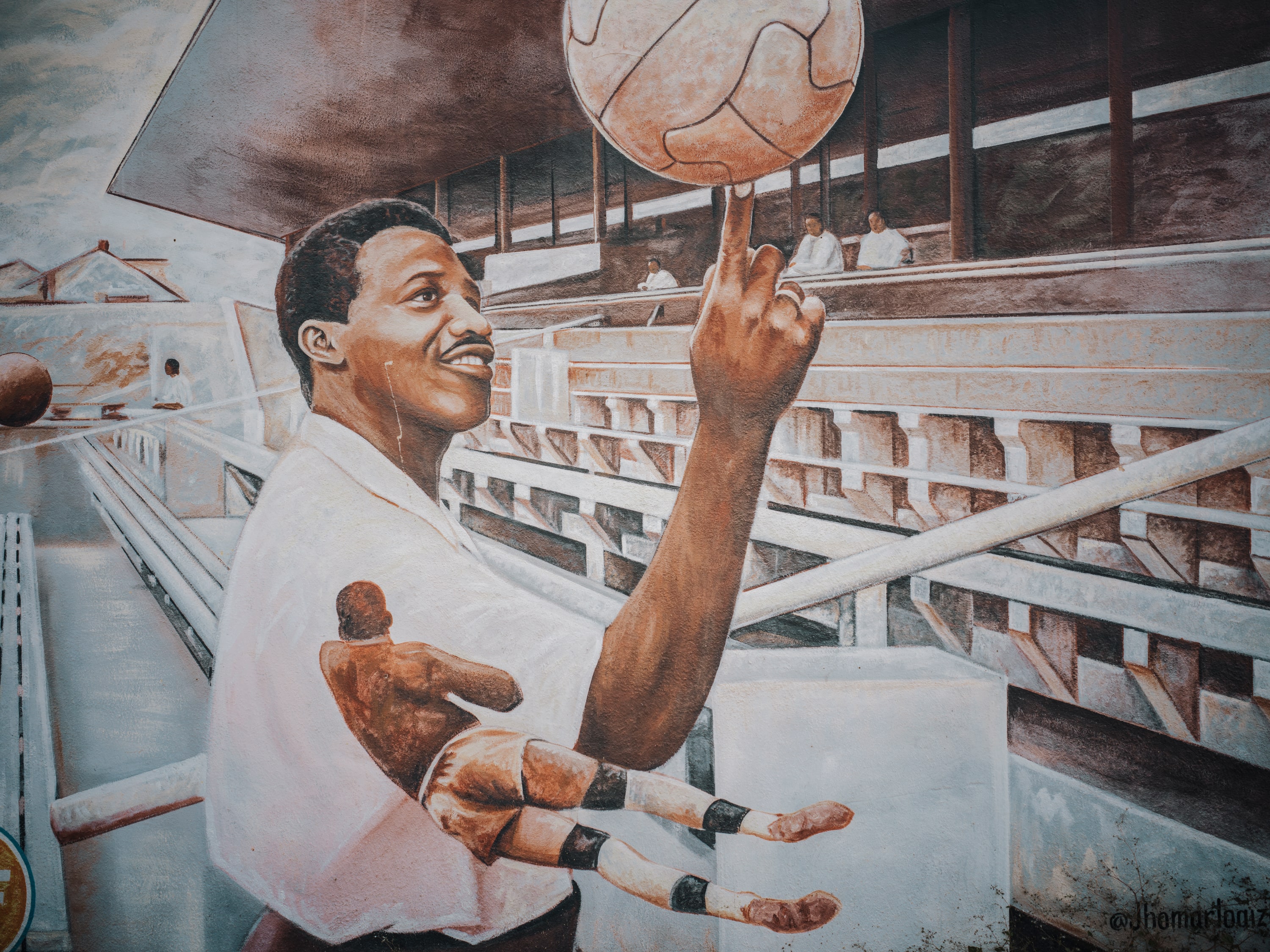
In his old age, Marcha looked after him. Later, he set up a foundation for the island's former footballers and visited them in care homes. Men who had once been stars on the pitch could barely move, were in nappies, and bore the scars of a professional career without sports medicine or insurance. "The worst thing isn't that they've gone," says Marcha. "The worst thing is that they were forgotten while they were still here."
Ergilio Hato was one who stayed. And that is precisely why he became a national hero. He lived on the island; he was approachable. The players in today's national team know Curaçao, if at all, only from holidays. "They have one foot in the Netherlands, where they were born and raised, where they learnt to think, feel and act," says Marcha. "The other foot is in Curaçao. In the land of their fathers and grandfathers, who passed on values, rituals, heroes and symbols to them through invisible channels."
Marcha has to think long and hard about who this success belongs to. "Actually, it is no longer the citizens of a country who compete against one another. It is the countries themselves that compete. And today, countries are free to choose who they count as part of their team." He takes France as an example. There, after major tournaments, people repeatedly ask how 'French' a team is whose players have family roots in Africa or the Caribbean. Marcha considers this question misguided. "The values with which France shaped modern democracy in 1789 are universal. Liberté, Égalité, Fraternité. Liberté means everyone has a chance. Égalité means everyone starts on an equal footing. Fraternité means the big look after the small. These principles apply in politics and in the economy. They should also apply in football. Otherwise, they are just words."
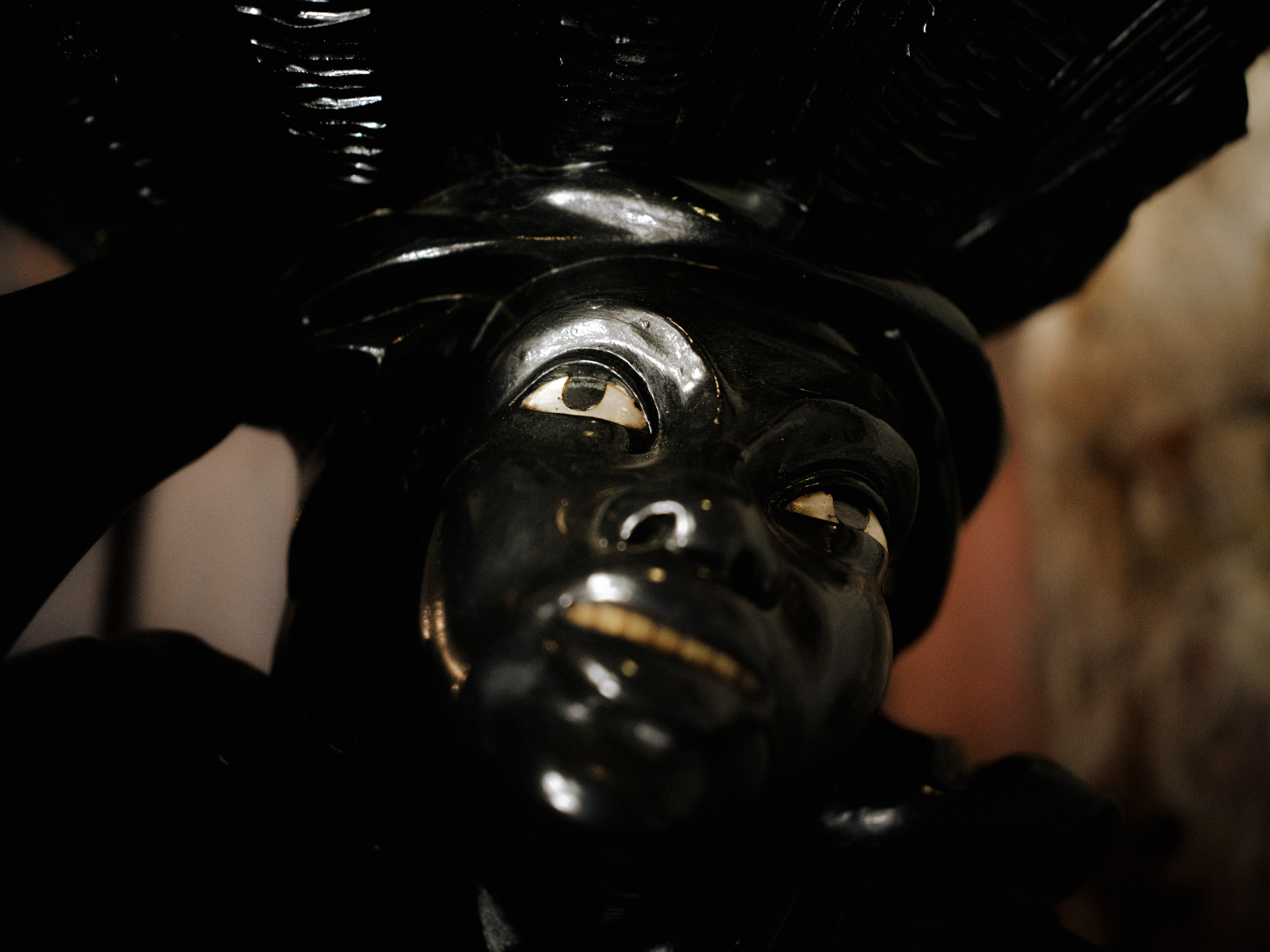
On Curaçao, however, these words sound different. For Marcha, equality in football does not just mean that a player with Curaçaoan grandparents is allowed to wear the national jersey. It would have to start much earlier, on the island's pitches, in the clubs, with the children who train here. Only then, he says, would the decision be truly free. "If we had the same opportunities here as in the Netherlands, not a single one of these talented players would play for our national team. They would stay here." For him, the inequality is evident not only in who is allowed to play for Curaçao, but also in who later claims the success for themselves. "When Curaçao wins, it's a Dutch victory. When we lose, we're something else."
To explain where this perspective comes from, Marcha goes back to Curaçao's origins as a Dutch colony. "The people here are descended from West African slaves who were shipped here, sold and sent on," he says. The original inhabitants, the Caquetío, had previously been deported by the Spanish. The Dutch turned Curaçao into the Caribbean's largest slave trading hub. The trade was lucrative; tens of thousands of people were sold and shipped on from the island.
Until one Monday morning in August 1795. On that day, a slave named Tula at the Knip plantation refused to go to work. He gathered forty of his fellow captives in the square in front of the manor house and informed the owner that they were no longer his slaves. Then he set off, from plantation to plantation. Forty became hundreds, hundreds became almost a thousand. For a month, the uprising shook the island, until Tula was captured, tortured and publicly executed. Slavery continued for another 68 years. For the Dutch, Tula remained a criminal for centuries. It was only three years ago that the Dutch state rehabilitated him. "Suddenly it was important for the Netherlands to have a good reputation worldwide," says Marcha.
He walks through the living room, past his grandchildren playing, out onto the veranda. There he sits down on a white plastic chair. His wife brings him water with ice cubes. "So Tula was declared a hero." A year earlier, Prime Minister Mark Rutte had apologised for Dutch slavery, 160 years after its abolition. A fund was set up for education and remembrance, expressly not as reparations. For Marcha, this is symbolic politics.
For him, the qualification means one thing above all: recognition. He points to a faded world map on the wall. Among the many pins, one is stuck in the Caribbean, on a patch of land that is barely visible. "A small island with 160,000 people. And now the world knows it."
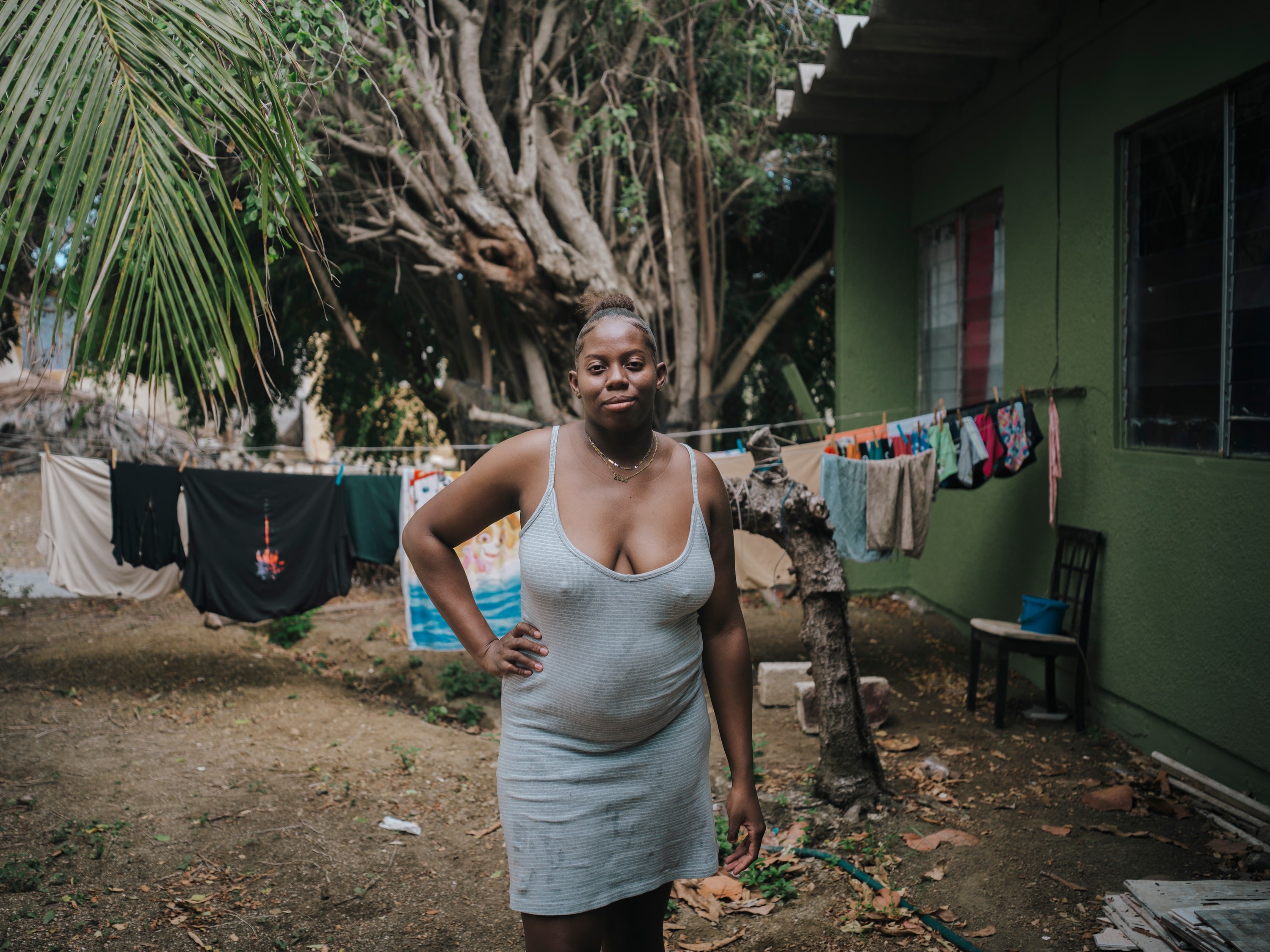
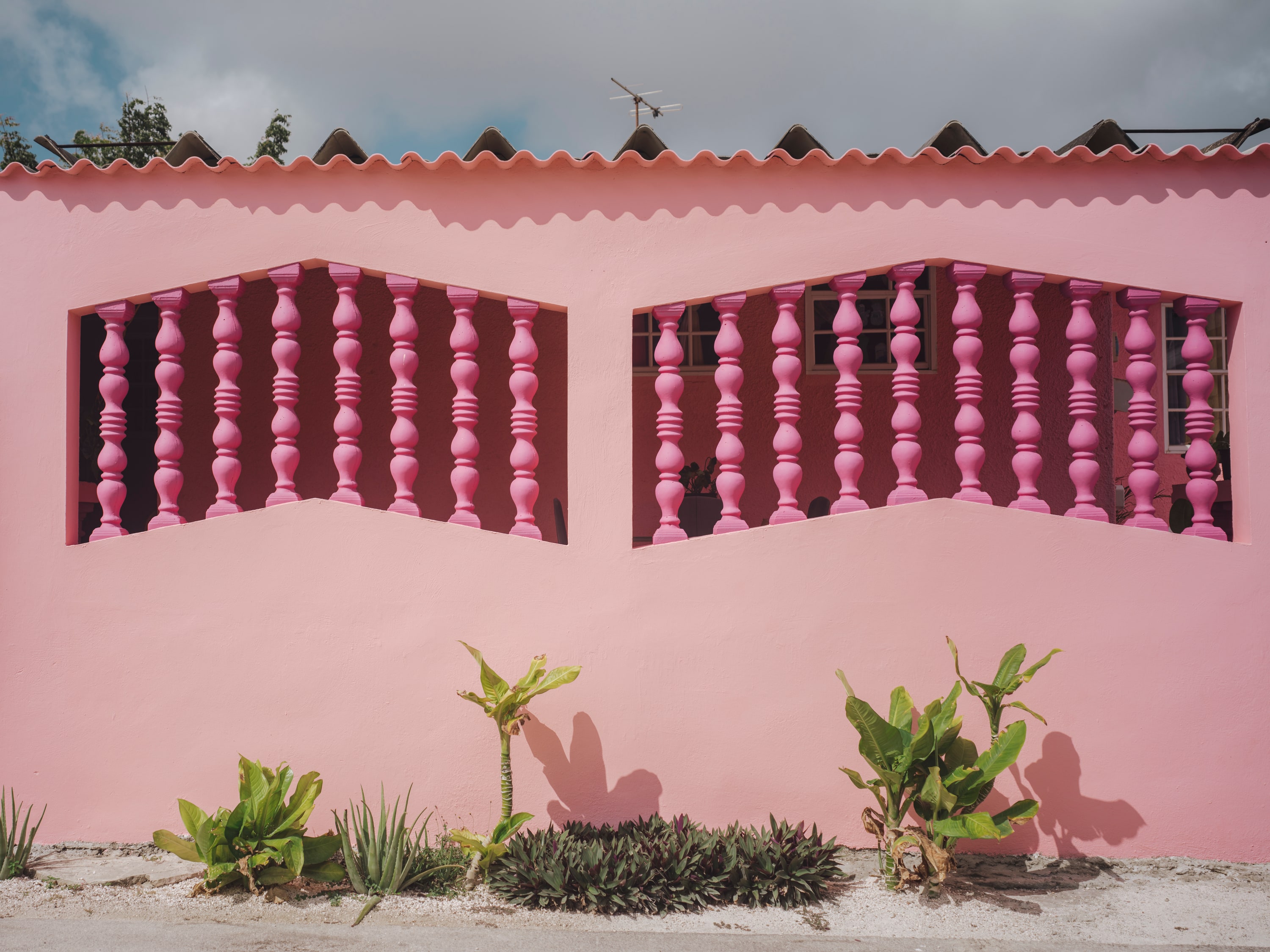
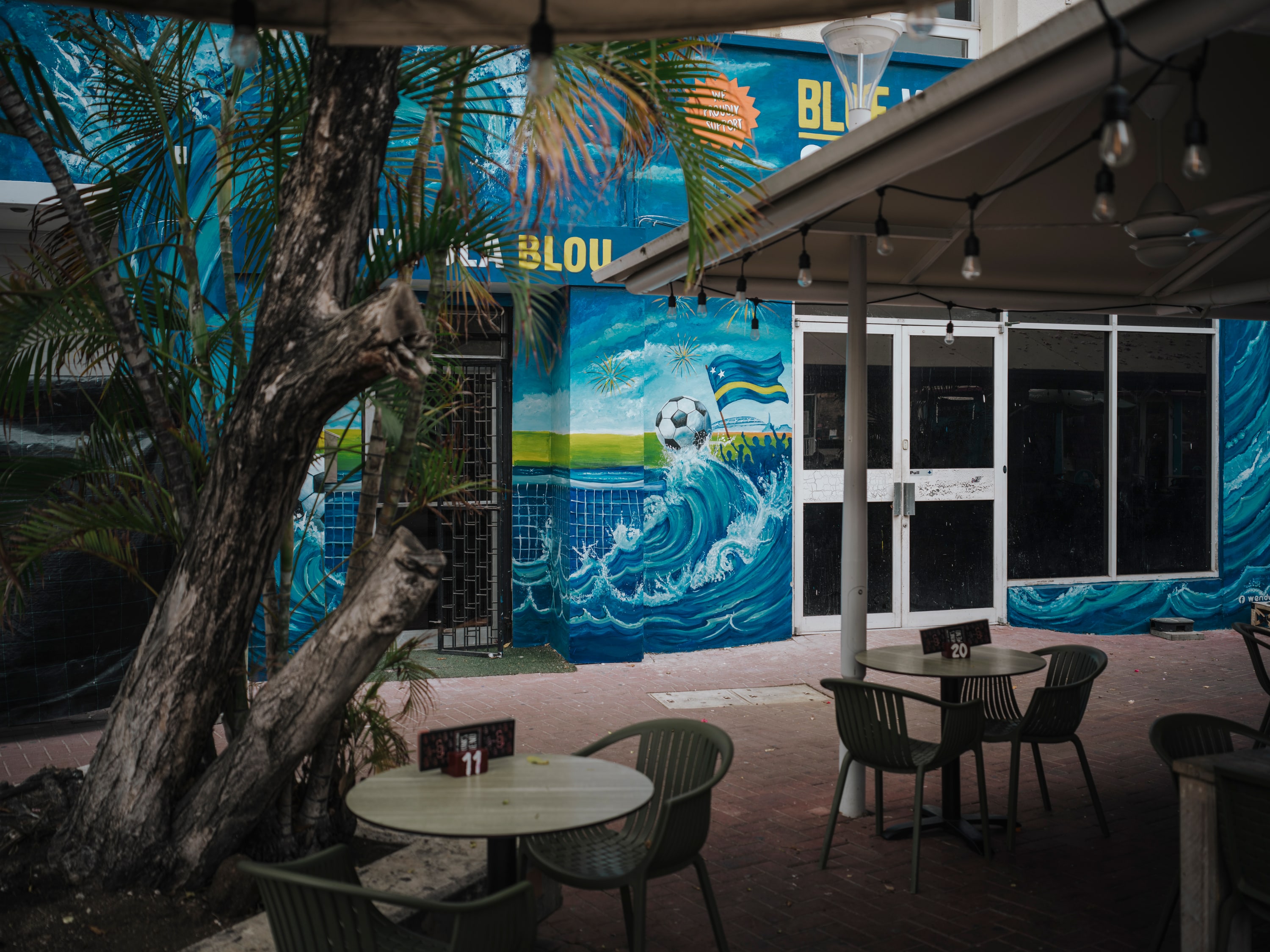
Ever since qualifying, the whole of Curaçao has been talking about the "Blue Wave", the name of the team and the euphoria surrounding it. Children are wearing national team shirts, the players are celebrated in graffiti on the walls of houses, and everywhere you look it says: "Small island, big dreams." Marcha takes a sober view of this enthusiasm. "It's better to go than not to go," he says. When Trinidad and Tobago last played at a World Cup in 2006, another small Caribbean nation, also under a Dutch coach, the team failed to score a single goal in three group matches. "We might lose by double figures to Germany," says Marcha. "We'll come away traumatised."
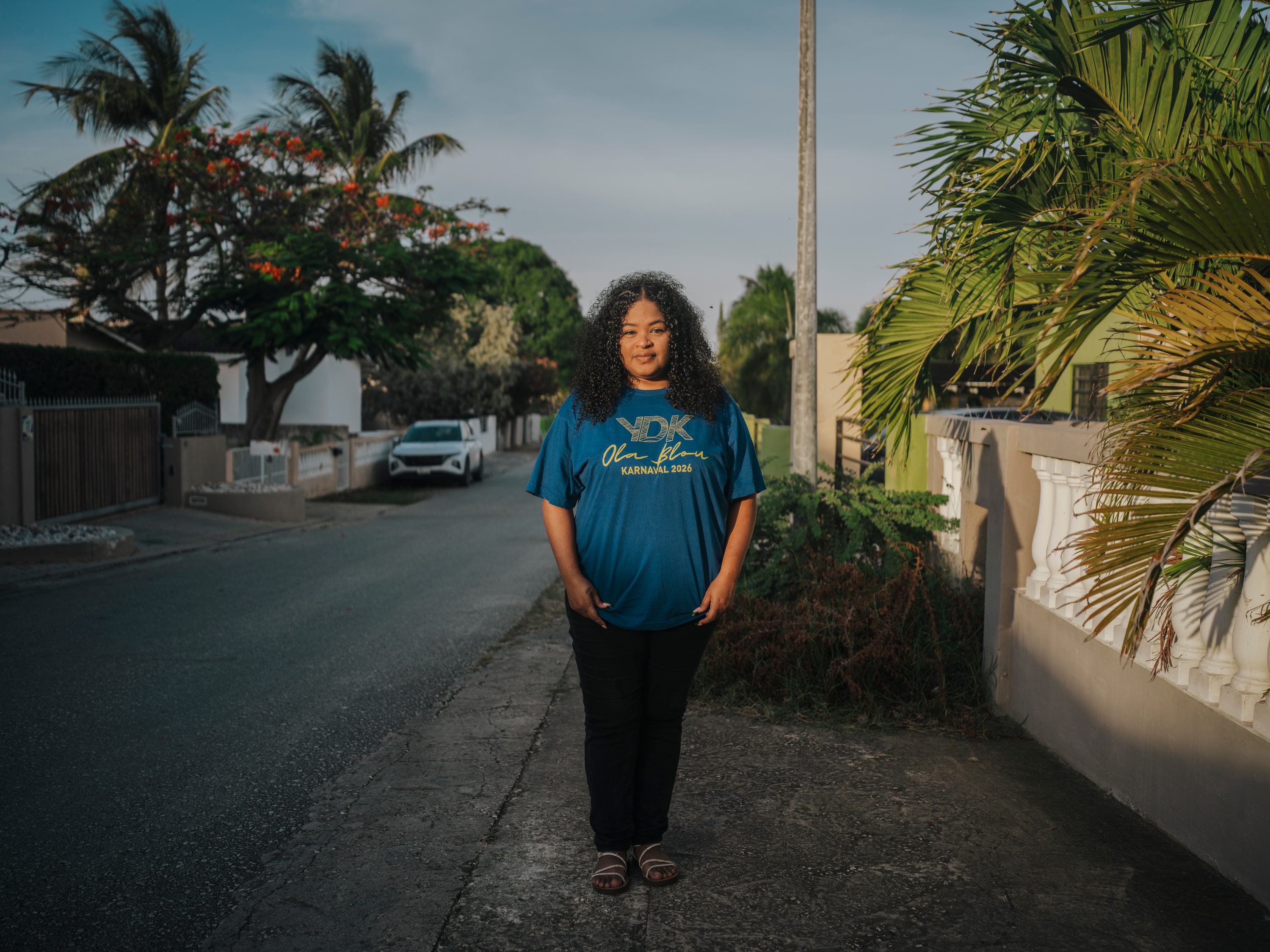
Stephany Seinpaal has hardly missed a single national team match in years. Not even the one in Kingston where Curaçao qualified for the World Cup against Jamaica. A few hundred fans from Curaçao stood in Independence Park amongst tens of thousands of furious Jamaicans. Three shots against the crossbar, a disallowed penalty, endless stoppage time. Then the referee blew the final whistle. "I almost cried," Seinpaal recalls. Shortly afterwards, bottles and cans were flying from the stands. The fans from Curaçao broke through a fence and ran onto the pitch to get to safety. While Seinpaal was on the plane back to Curaçao, the island celebrated through the night. The next day, a parade for the team wound its way through Willemstad.
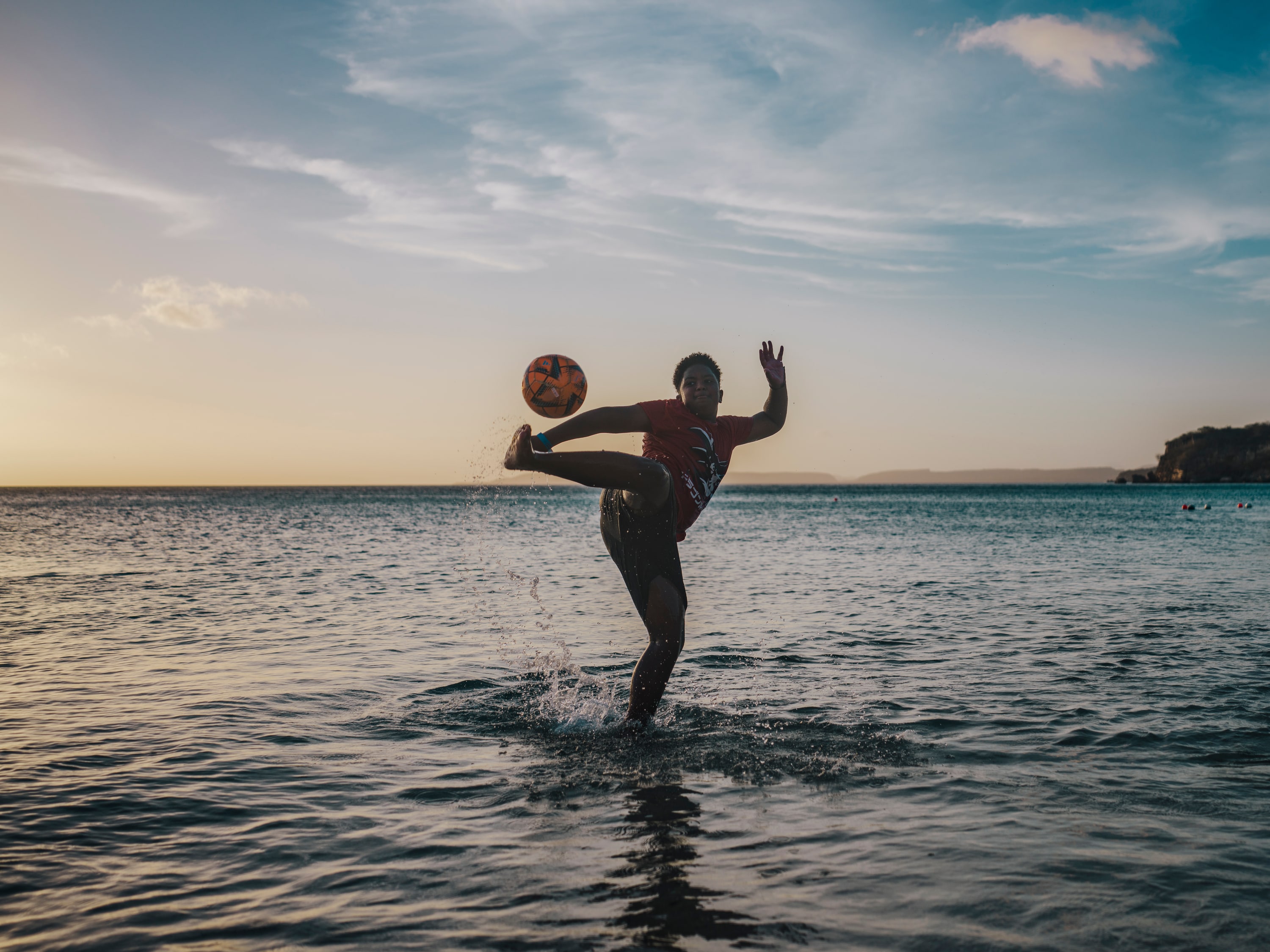
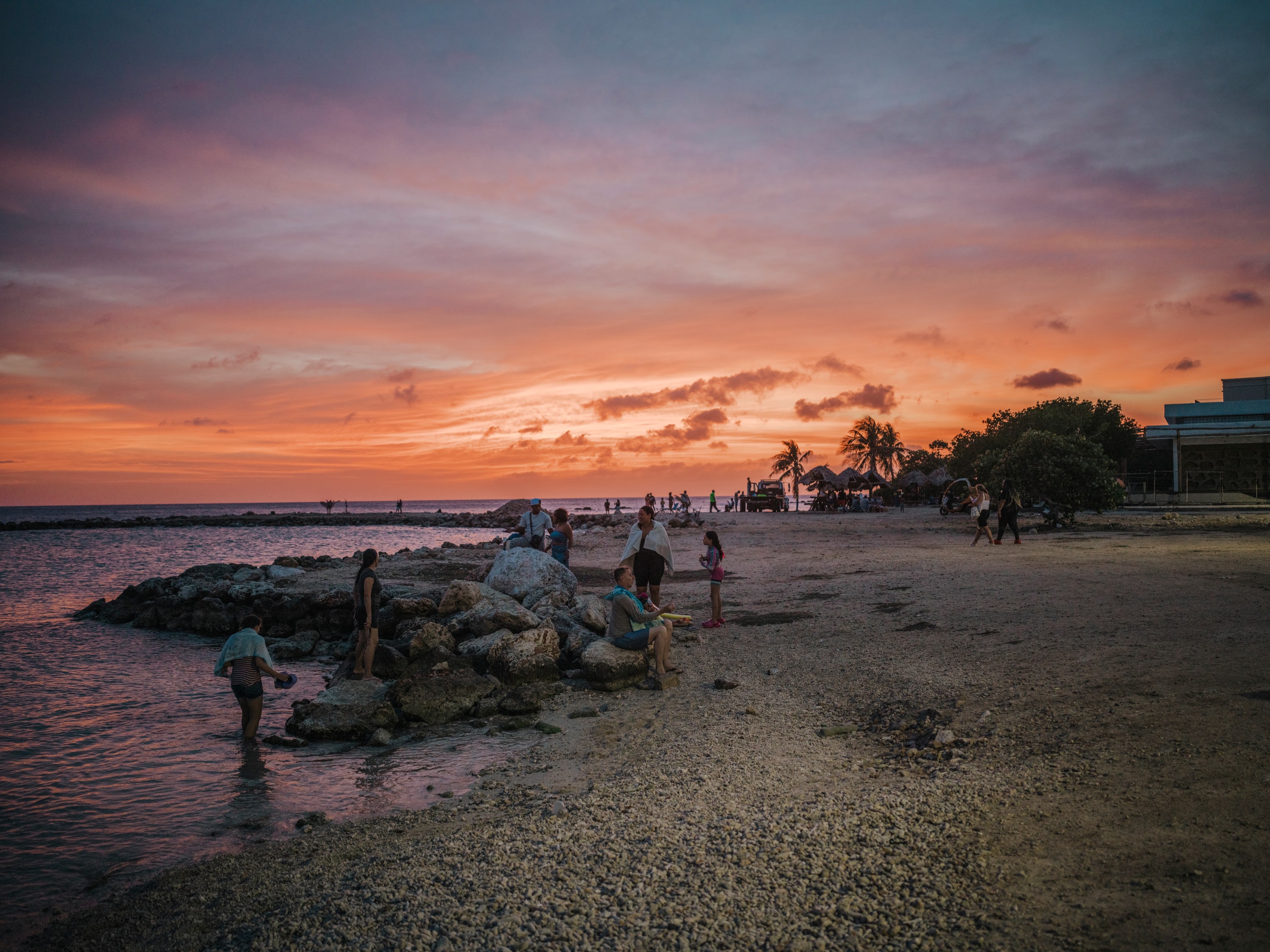
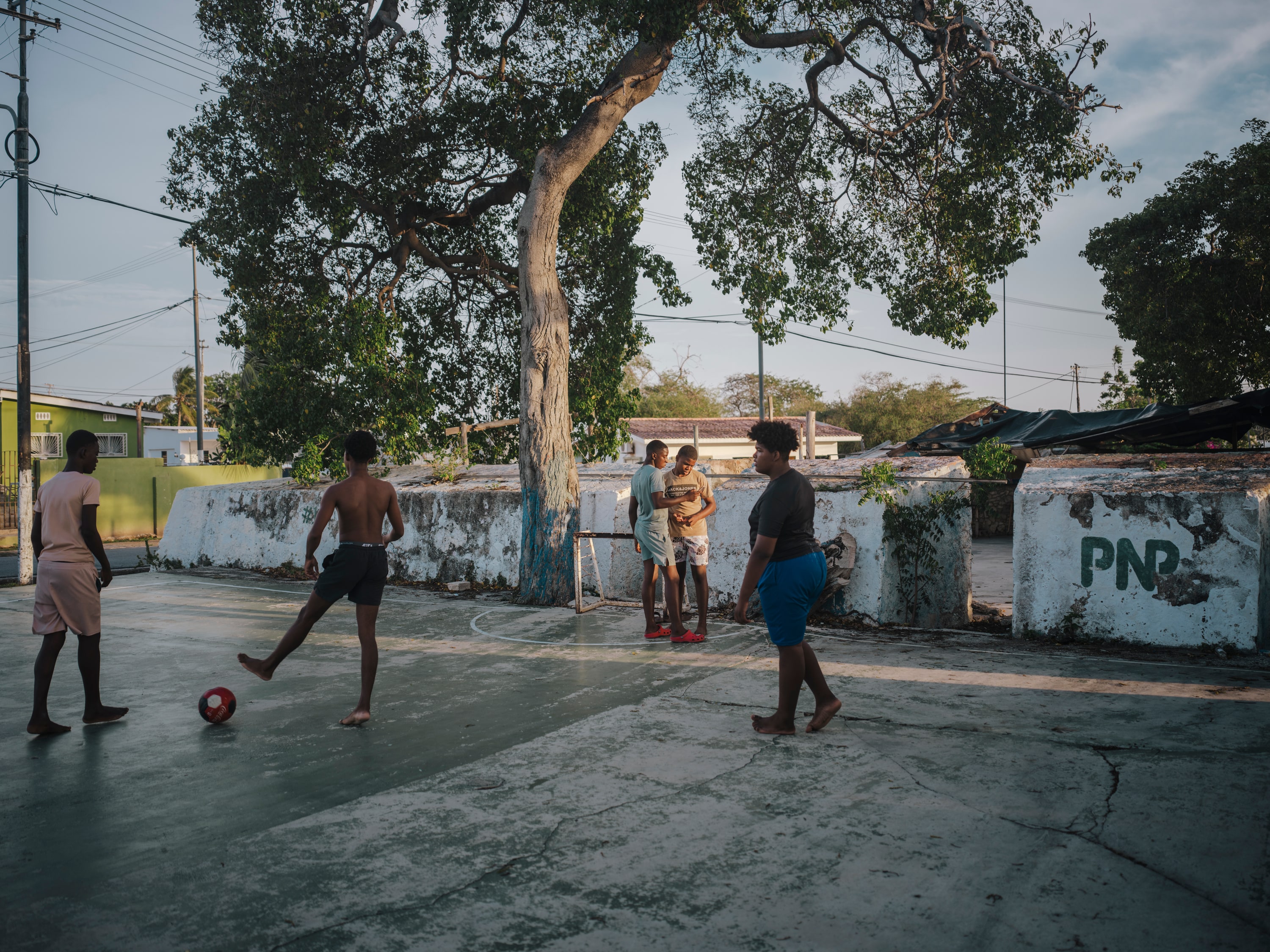
Five months later, Seinpaal is sitting on an upturned wooden boat on the beach at Boka Sint Michiel, a small village west of Willemstad. It's the end of the working day. Outside a Chinese supermarket, men are playing cards; on a concrete pitch, teenagers are playing football barefoot; down by the water, locals stand waist-deep in the sea, chatting. Seinpaal is 39, works in the finance department of the island's largest hospital and lives not far from here with her mother and her two children. In June, she wants to be back in the stadium in Houston for the match against Germany. The flight, hotel and ticket will cost her almost 3,000 dollars. She has been paying in instalments for months.
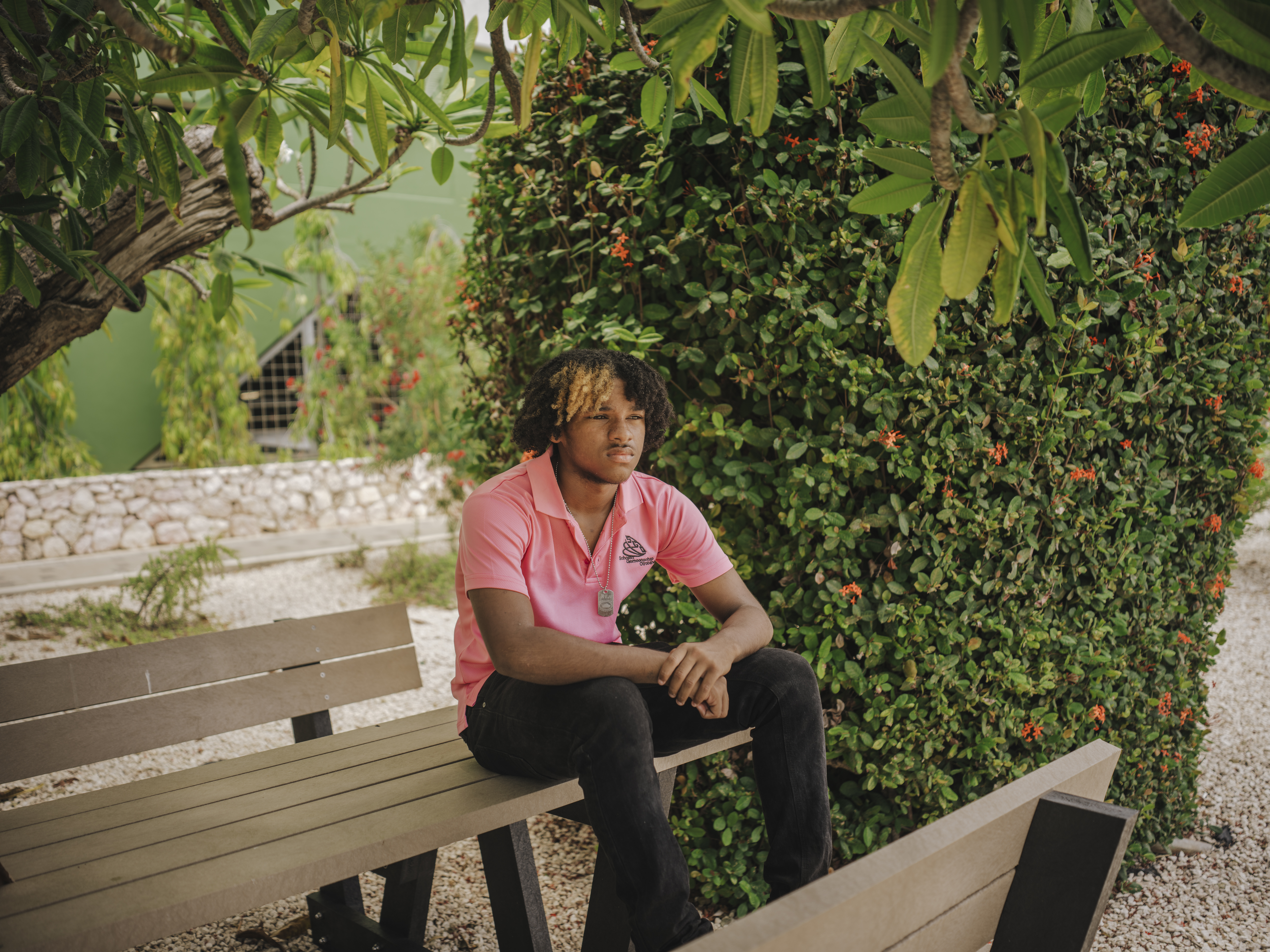
Her sixteen-year-old son Qmany is currently in the Netherlands, on tour with a youth team from Curaçao. They are playing against clubs like FC Twente. Qmany dreams of a professional career. "My life is all about football at the moment," says Seinpaal, showing a photo on her mobile: Qmany with short plaits, arms crossed, a serious look on his face, as if he were already a professional. Will he make it? "If he's disciplined and eats healthily, then he'll make it," she says. "But every mother says that about her child."
The standard is different in the Netherlands, says Seinpaal. Faster, more disciplined, more professional. There, young players train almost every day; her son in Curaçao only on Tuesdays and Thursdays. "We have plenty of talent here," she says. "But the standard in Europe is much higher." Anyone serious about football has to go there at some point, she believes. Qmany, too, could move to the Netherlands after school to stay with a family friend who would take him in. "I told him: finish school first. Then you can go."
For many young Curaçaoans, the Netherlands is more than just another country. It offers the chance to break free from the confines of island life. "Some go there for the freedom," says Seinpaal. Better wages, more support, a different life. In her early twenties, she too went to the Netherlands to study law. At first, she was put off by the Dutch strictness. If you were five minutes late, you were in trouble. But after a few months, she began to like the orderly life. The coolness, the calm, the reliability. After four years, she became pregnant and returned without a degree. "I told myself I could always go to school later." She put it off until she stopped going altogether.
She was left behind on an island that, in her eyes, is developing too slowly. Or in the wrong direction. "Everything is getting more expensive," says Seinpaal. Petrol, electricity, food. Sometimes the government gives people money back, she says, through tax refunds, for example. Shortly afterwards, prices go up again. "The money's gone before you've even got it in your hands." She tells the story of a neighbour with four children. Her husband has broken his arm and cannot work; she lives on the minimum wage. Sometimes she calls Seinpaal and asks for food until her next pay cheque arrives. Seinpaal helps when she can. During the pandemic, she and her father collected food and money for people who had nothing left. Today she does this less often. It weighs too heavily on her. "At night you find yourself wondering: have the children eaten? Do they have electricity?"
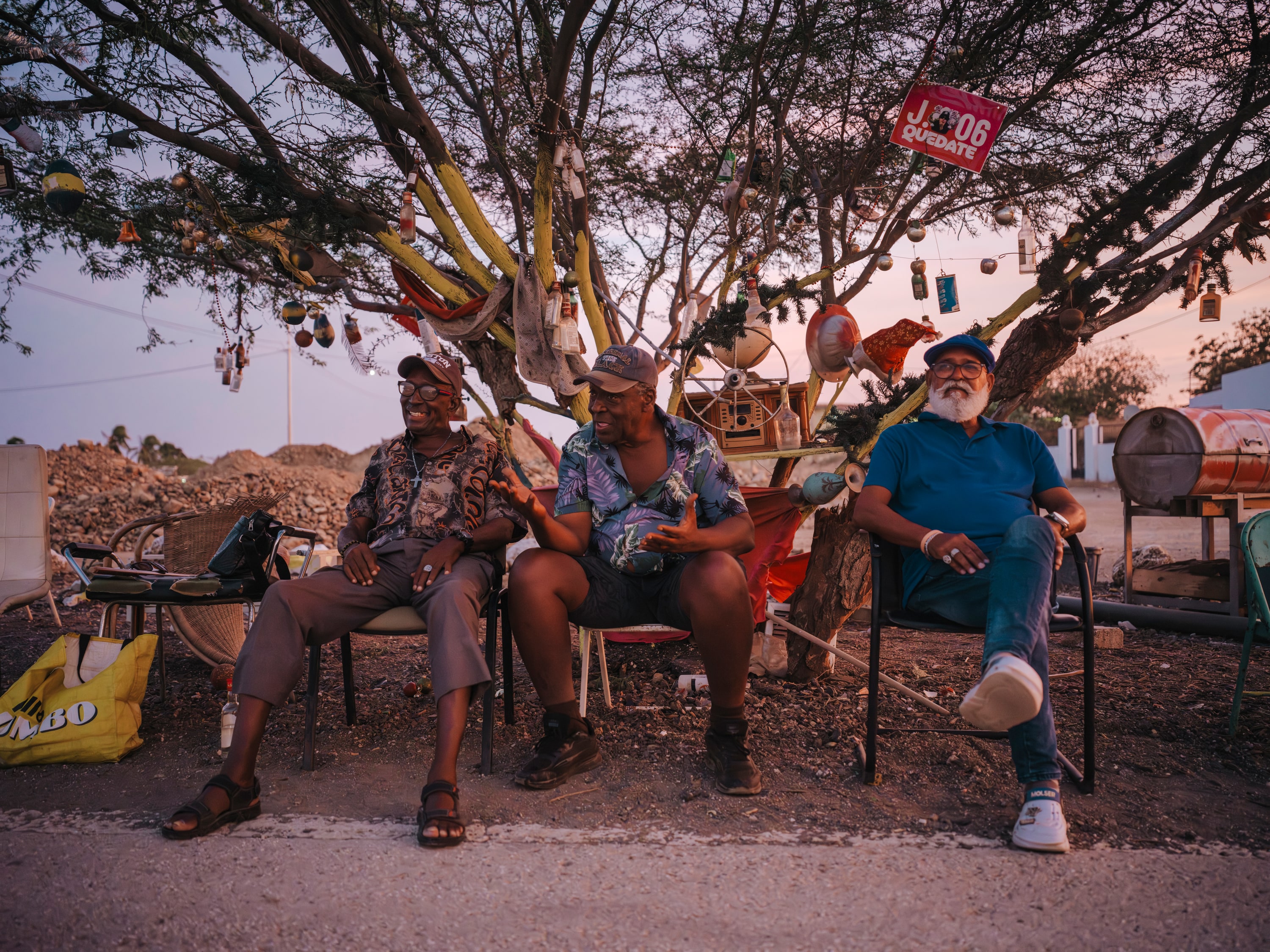
While many Curaçaoans are leaving the island, Curaçao is becoming increasingly attractive to Dutch people and other foreigners. In 2025, 1.7 million tourists visited the island, more than ten times the number of people who live there. Most come from the Netherlands. Anyone who invests $280,000 in Curaçao, in property for example, is granted a residence permit. After five years, a Dutch passport follows. For wealthy foreigners, Curaçao is a back door into the EU.
Seinpaal sees this every day. She points to a bar on the beach. "It probably belongs to a Dutch person," she says. "No one from the village would open a bar like that. They come, see the potential and have the money for it. We have the passport, but the bank won't give us a loan."
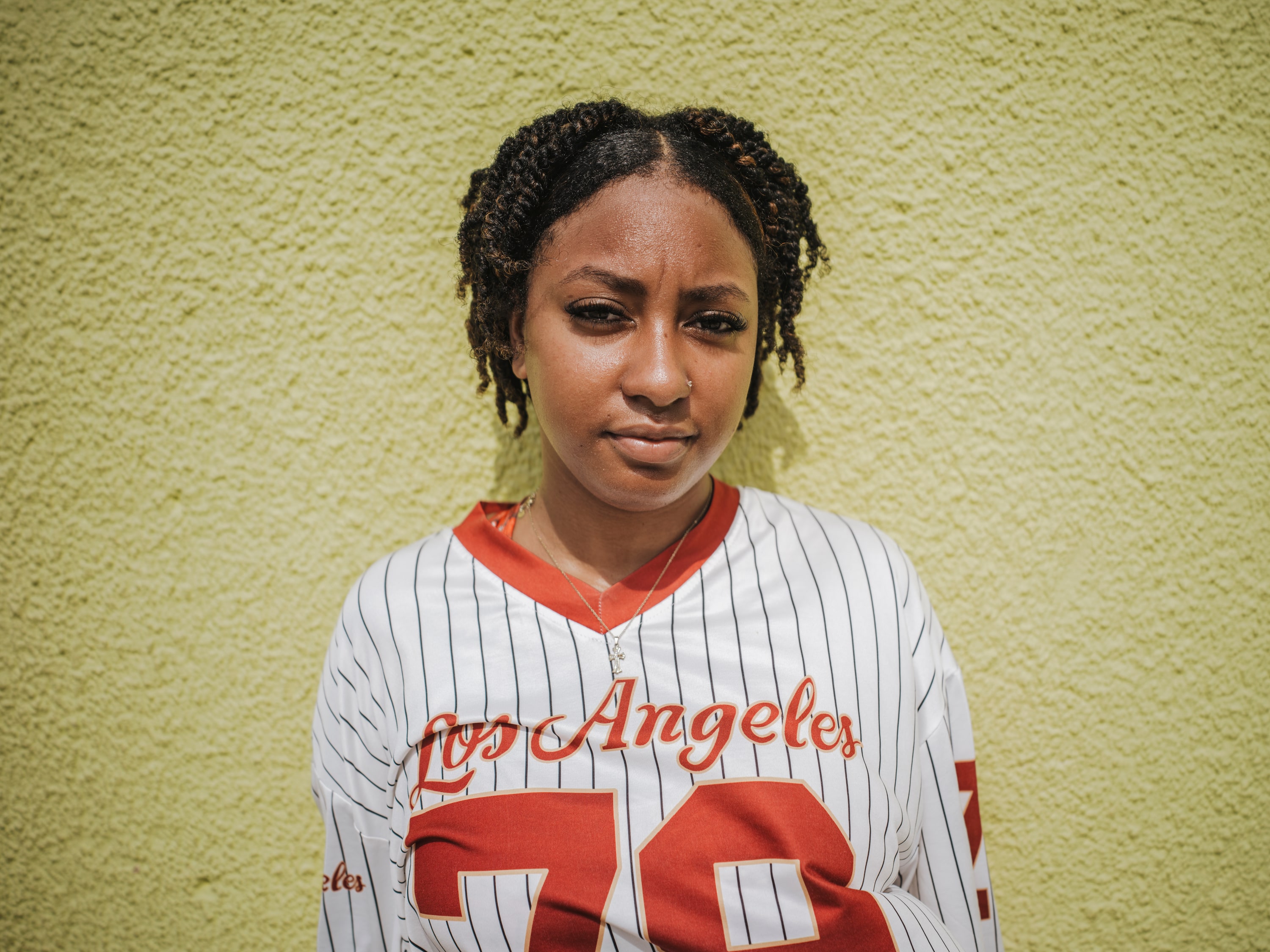
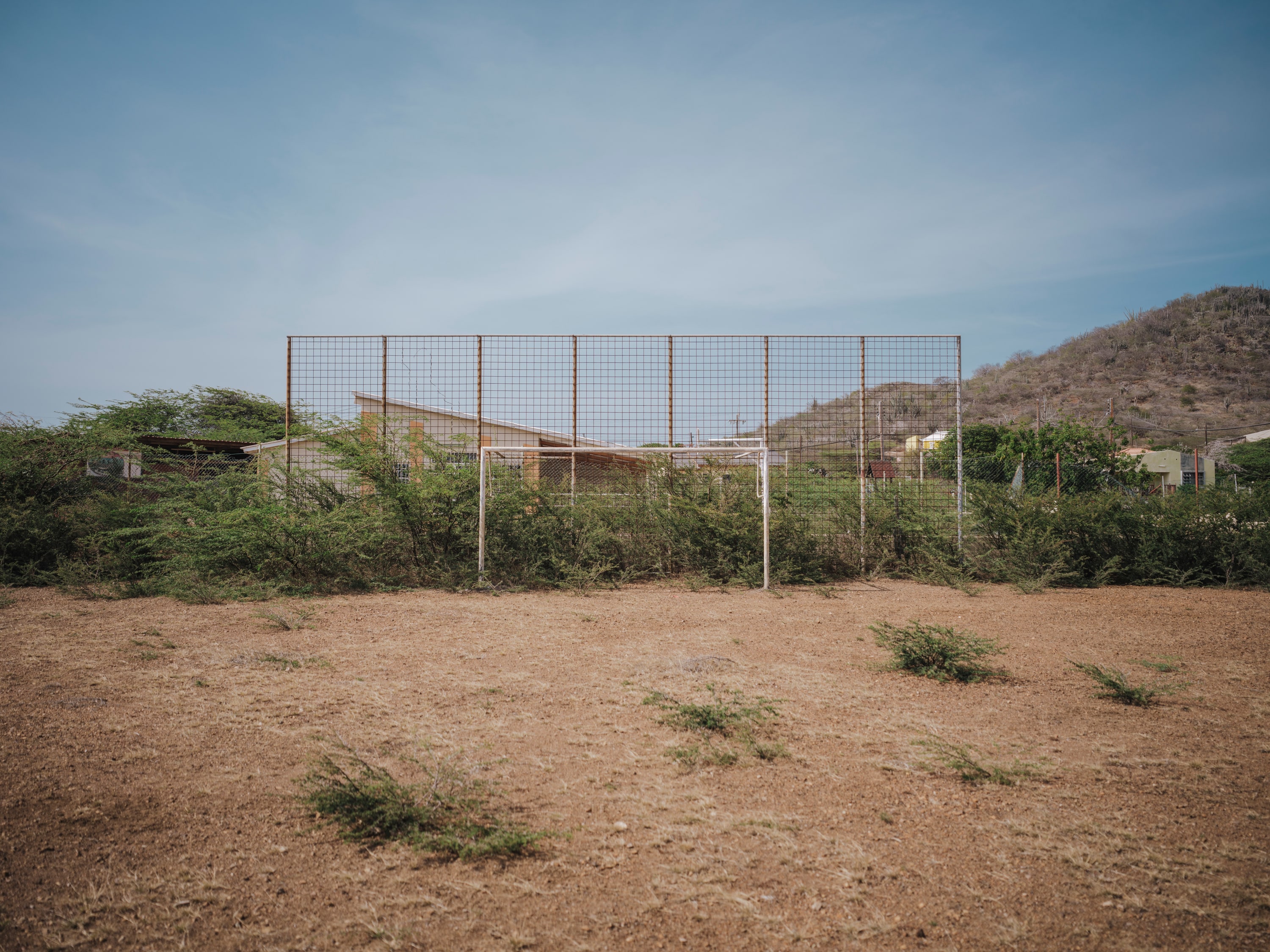
The sun has almost sunk into the sea. There are Dutch people who look down on Curaçaoans, says Seinpaal. At the same time, she is annoyed with some of the locals: too many drop out of school, take too few risks, wait for others to make decisions. "Many people here simply accept things as they are," she says. "But you have to stand up and say: I am no longer your slave."
A few days later, Qmany is back from the Netherlands. During his lunch break, he meets his mother outside the hospital. His team lost every match. It was cold, he says, and the Dutch were incredibly fast. Still, he is thrilled.
Who would he play for if his career takes off? Curaçao or the Netherlands? Qmany takes an audible breath, laughs, looks up and falls silent. His mother stands beside him, listening. Finally, he says: "The Netherlands. That's what I've always dreamed of." Could a successful World Cup for Curaçao change his mind? He pauses to think again. "Maybe."